
Shashank Kela

Shashank Kela worked in a rural trade union of Adivasi peasants for some years after his graduation. Since 2010 he has written on history, politics, current affairs, ecology and train travel, amongst other things.
NIF Books
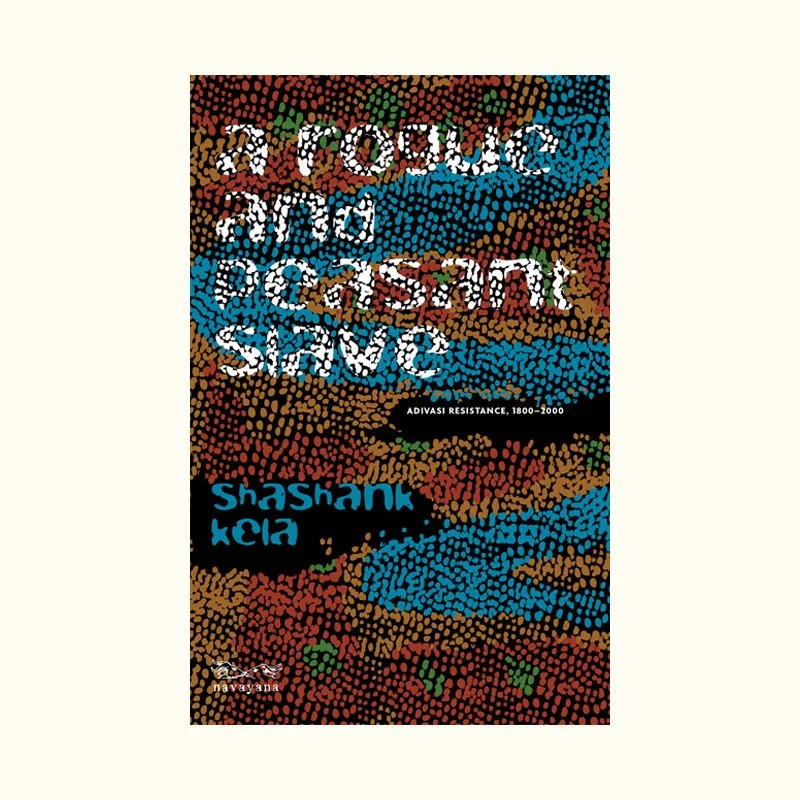
Why do adivasi societies defend themselves so desperately against the state? What is it that sparks so much protest and conflict in India s adivasi regions?
These are some of the questions this book seeks to answer. The first part shows how the bhils of western Madhya Pradesh were affected by colonialism, the perceptions and notions that shaped colonial policy, its effects on material life and politics, how bhil groups adapted to these developments and resisted them. A social history cast as narrative a narrative of blindness and rancour, resistance and change it charts the emergence of an unjust and oppressive social order.
The second part is a reflection on adivasi politics in the twentieth century. It begins with the (understandably suspicious) adivasi response to nationalism, and goes on to examine India s development policies and their effect upon adivasi societies. It looks at the emergence of an adivasi middle-class and the contradictions of its political role, as well as collective modes of protest and adaptation. Kela discusses the ways in which culture and politics intersect, and how political choices are shaped by cultural developments.
A Rogue and Peasant Slave challenges the current academic consensus on the relationship between adivasi societies and the caste-based agrarian order, and seeks to place them in the context of a wider agrarian and ecological history. It reveals the intimate connection between the past and the present, and shows how some of India s most pressing contemporary conflicts can only be understood with reference to a history whose consequences are still working themselves out.
Purchase: Amazon
Reviews:
‘A Rogue and Peasant Slave is an ambitious book. It is true that we sorely lack comprehensive narratives connecting adivasi pasts to their present predicaments. It is also true that regions such as Nimar, Jharkhand, Bastar, and the Jangal Mahals are victims of internal colonialism in post-1947 India. We must, therefore, laud Kela’s ambition to fill an existing gap in our understanding of adivasi history and politics by telling a tale that is rarely heard in Indian academic circles. After all, precious few among our academic pundits in India or abroad have lived and worked extensively in places such Nimar or Jharkhand. Kela draws on colonial archives, his own experiences in Nimar, and existing scholarship on adivasis in modern India to craft a well-written historical ethnography of adivasi-state encounters in Nimar from circa 1800 to the present.’ - Uday Chandra, Seminar
‘Well argued, cogently written—fills a major lacuna in the existing literature on adivasi pasts and futures in mainland India’—Mahesh Rangarajan
‘Chronicles the devastating impact of colonialism on adivasi societies in India continuing to the present engagement of the state with the forest communities’—The Hindu
‘Contributes to the scholarship on tribal societies and adds to the voices speaking out against the neglect and exploitation of adivasi people’—India Today
Other books by this author: