G. Kanato Chophy

G. Kanato Chophy received PhD in social anthropology from the Department of Anthropology, University of Delhi. He currently teaches social anthropology in Dibrugarh University, Assam. Previously he has taught in Central University of Jharkhand and was a Post-doctoral Fellow in the Centre of Excellence, Centre of North-East India Studies, Utkal University, Bhubaneswar. His research interests include tribes and indigenous peoples, political anthropology, comparative religion, and ethno-history of North-East India. His writings focus on contextualising ethnography within broader historical and regional interconnectedness in South and South East Asia.
NIF Books
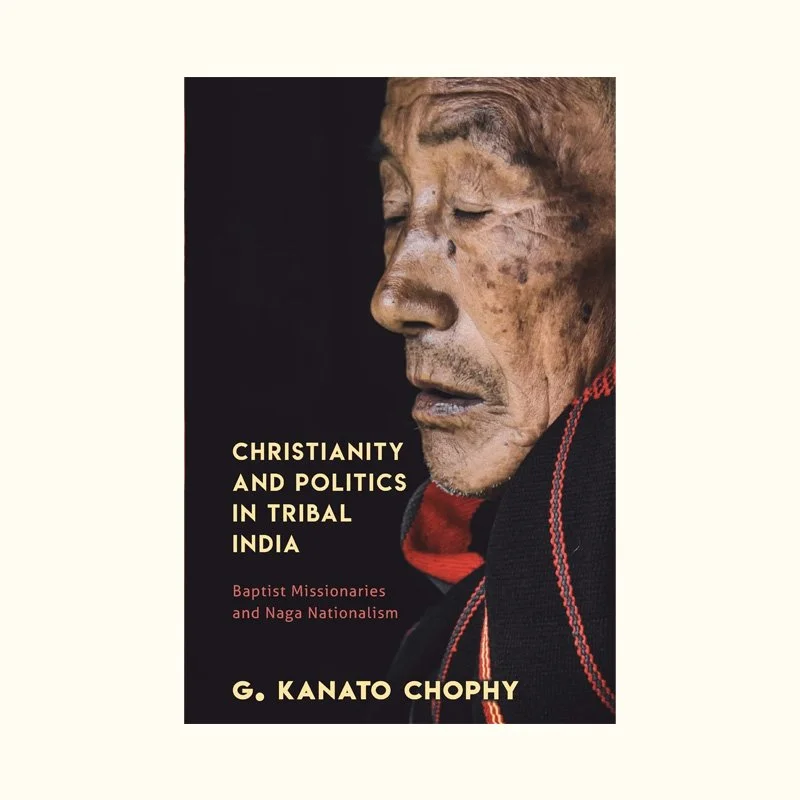
Landlocked and relatively inaccessible, the mountain state of Nagaland in north-east India has, within a century of missionary contact, become the most Baptist state in the world. Nearly 80 per cent of Nagaland’s two million people are devout Christian adherents of this sect. This makes Nagaland the religious outlier of India – a country in which about 80 per cent of the population is Hindu.
How has this come to be? G. Kanato Chophy chronicles the historical and socio-cultural processes by which Naga tribals – known a century ago as “primitive headhunters” – were transformed into a vibrant and politically assertive community of the Christian faith in colonial and post-Independence India.
Besides outlining the role of British colonialists and developments in Victorian religious policy, this book analyses the remarkable success of American Baptist missions of the nineteenth century in a backwater of the British Raj. It shows that even as the power of Christianity has declined in the secular West, the culture and politics of Nagaland continue to be strengthened by Baptist ideas of Jesus within a country increasingly majoritarian and suspicious of “alien” faiths.
Analysing the peculiarly unapologetic and assertive strain of the Baptist faith in Nagaland, this book also speculates on the future of Protestant missions and the American evangelical movement in this ardently anomalous state of India.
Purchase: Amazon
Reviews:
“…the book highlights a valuable case for scholars interested in the relationship between religion and politics, encouraging us all to pay closer attention to developments in the India-Myanmar borderland.” — Reading Religion
“His book is part of the new scholarship on the North East that is questioning the colonial anthropological wisdom and challenging the stereotypes that have governed much of the postcolonial policy and public debate.”— Economic and Political Weekly
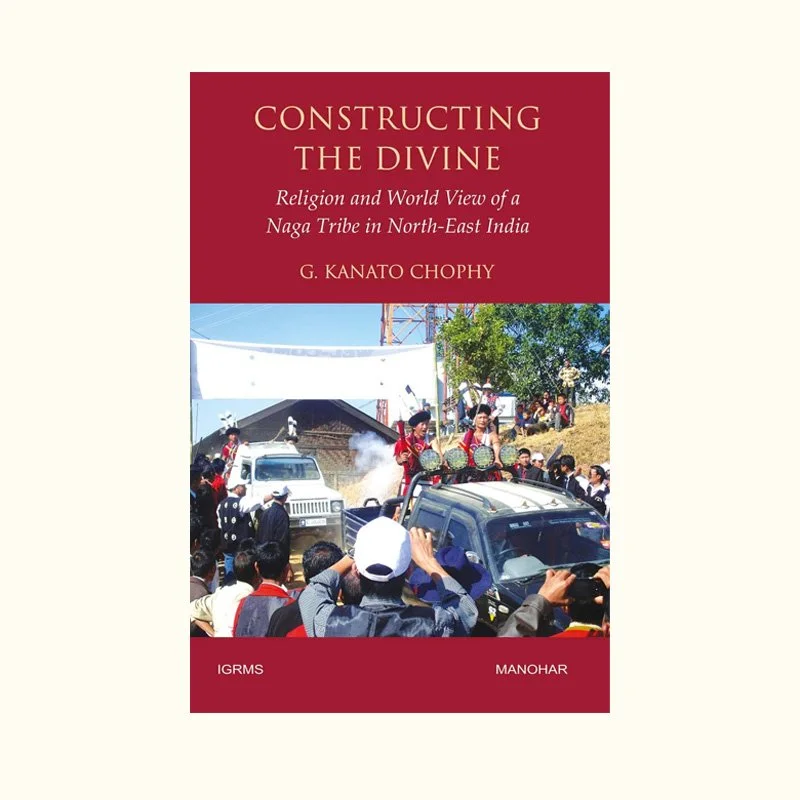
Other books by this author: